AI Content Doesn't Have to Feel Generic. Here's Why Yours Does.
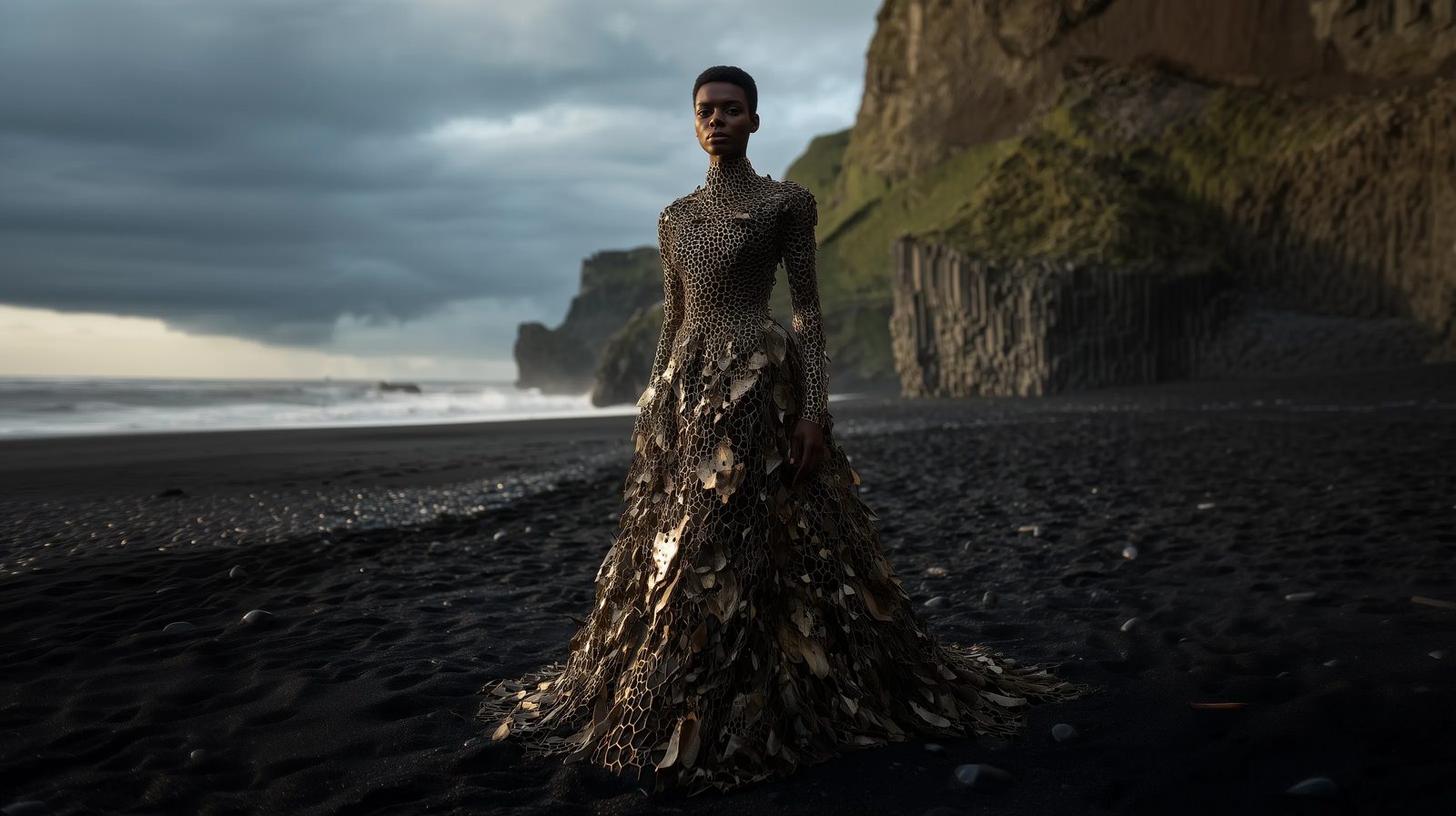
There's a conversation happening in marketing teams around the world right now. Someone suggests AI content. Half the room nods. The other half winces.
The half that winces has seen it. The flat visuals. The slightly-off faces. The content that looks like it came from a template rather than a brain. The stuff that screams AI before anyone even has to ask.
And they're not wrong to wince, because a lot of AI content is generic. But here's the thing: that's not an AI problem. That's a thinking problem.
Why There's So Much AI Slop Out There
The tools are accessible to everyone now. And that's genuinely exciting in a lot of ways. But it also means the internet is flooded with content produced by people who have learned how to use Midjourney or Runway but have never actually worked with a brand, sat in a client brief, built a creative strategy or thought seriously about what makes an audience feel something.
Access to tools is not the same as creative experience. And you can see it everywhere.
When there's no real brief behind the work, no research, no understanding of the audience, no considered point of view, the content reflects that. It looks fine on the surface and says absolutely nothing underneath. That's AI slop. And there's a lot of it.
The Real Reason AI Content Feels Soulless
The failure almost never happens at the execution stage. It happens long before anyone opens a single tool.
It happens when there's no understanding of who the audience is or what they're feeling when they scroll past your content late on a Tuesday night. It happens when someone types a vague prompt into a generator and hopes for the best, then wonders why the output looks like every other brand in their category.
AI is only as good as the thinking you put into it. Feed it a lazy idea and you get lazy content. Feed it a sharp, strategically grounded creative concept and you get something that makes people stop. The tool is not the problem. The process is.
What Actually Makes Content Stop the Scroll
Before a single image is generated or a single frame is rendered at KonceptCraft, we do something that gets skipped a lot right now: we think.
That means proper research into the brand, the audience, the cultural context. It means building reference moodboards the way a creative director would, pulling from fashion, film, architecture, art, to establish a genuine visual world before we build anything.
It means writing a visual storyboard. Mapping out the emotional journey of a piece of content frame by frame. Asking what feeling we want someone to have in the first two seconds, and working backwards from there.
This is how good creative has always been made. The difference is what happens at the end of that process. Instead of a costly, logistically heavy production, AI executes the vision with precision and speed, and the quality doesn't suffer for it.
AI Content vs AI-Executed Creative
There are two types of AI content in the market right now. The first is prompt-and-publish. Someone has a rough idea, types it up, generates some visuals and posts it. Fast, cheap, and it shows.
The second is what we call AI-executed creative, where the strategy, the concept, the moodboard, the story and the art direction all happen first at a human level, and AI is the production tool that brings it to life at the end.
The output looks completely different. One feels like a stock image with a filter. The other feels like a campaign. The brands winning on social right now, the ones whose content you screenshot and send to your team, they're not just using AI. They're using AI as the final step in a proper creative process.
Why This Matters for Growing Brands
Most ambitious brands are working with a lean creative team and a production budget that has to stretch a long way. But they're competing for attention on the same feeds as brands with unlimited resources behind every campaign.
Generic AI content doesn't cut through that. It blends into the noise, or worse, it signals to your audience that you don't take your own brand seriously enough to invest in proper thinking.
The real opportunity is using AI with the same creative rigour that big global brands apply to traditional production, but at a fraction of the cost and without the environmental weight of a full shoot. That's the actual leveller. And the brands figuring that out right now are pulling ahead fast.
The Takeaway
The question was never really about AI. It was always about who's behind it. The tools are the same for everyone. What isn't the same is the thinking, the experience, the creative rigour that happens before anyone touches them.
So if you're looking at AI content as an option for your brand, the only real question worth asking is: who are you trusting to do the thinking? This is the difference between content that works and content that just fills a calendar.
Want content this considered for your brand?
Start a project →